The gear count on a cruiser is the number the sales tag leads with, and it is the wrong place to start. What decides whether a bike suits a two-mile ride to the pier is the combination of how it stops, how it changes gear if it changes gear at all, and what the ground actually does between your driveway and wherever you are going. Those three things interact. A rider who checks them in that order, rather than reading a spec sheet, usually ends up with fewer gears than expected and a happier ride.
What the coaster brake gives you and what it takes back
Pedaling backward to stop is quiet, weatherproof, and nearly maintenance-free, which is why it survives on beach cruisers a decade after it left almost everything else. The trade is control at low speed and control on grade. A coaster brake has one setting between nothing and locked, it cannot be feathered the way a rim brake can, and it does nothing at all while you are coasting with the cranks in the wrong position for a hard push. On loose sand or wet boardwalk, a locked rear wheel slides, and a sliding rear wheel is a slow, undignified event you only need once.
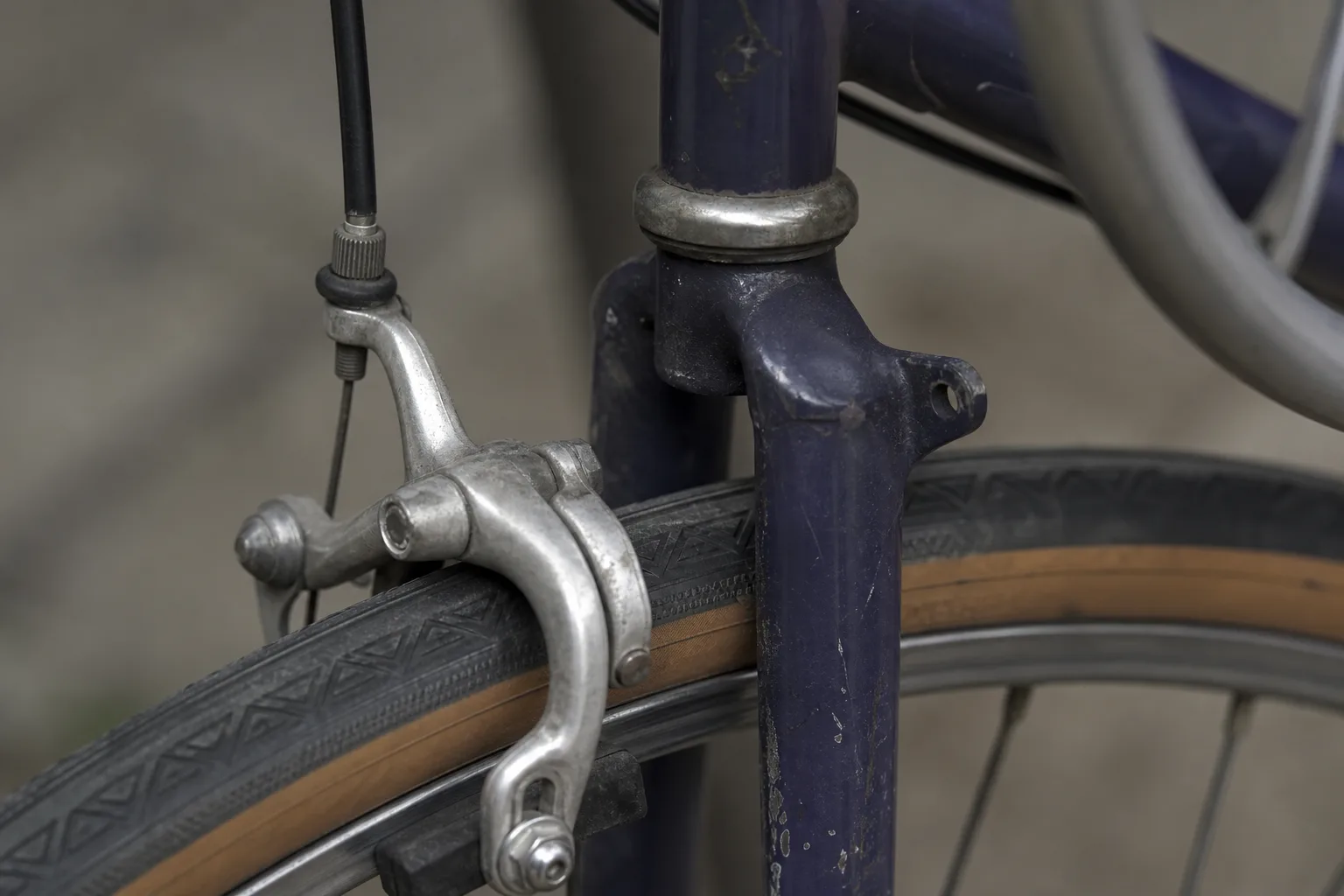
The careful check is not whether the bike has a coaster brake but whether it has a coaster brake alone. Look for a front hand brake as well, and then squeeze it. Reach matters more than caliper type: a lever a small hand cannot pull to the bar with two fingers is a brake that will not get used. The Consumer Product Safety Commission oversees bicycle safety requirements in the United States, including how brakes are specified on bikes sold assembled, and a shop will happily add a front brake to a coaster-only frame if the fork has the mounting hole. Confirm that hole exists before you buy.
Internal hub against derailleur, felt from the saddle
A three-speed internal hub shifts while you are stopped, which on a flat street with four-way stops is worth more than the four extra gears a seven-speed derailleur offers. Everything moving lives inside the shell, out of the salt and the grit, and the chainline stays straight, so the chain wears evenly and a full chainguard becomes possible. The cost is weight at the rear wheel, a slightly vague feel at the shifter, and a cable adjustment that has to be right or the middle gear hunts. That adjustment is a two-minute job with a barrel adjuster and an alignment mark you can see through a window in the hub.
The seven-speed derailleur is lighter, cheaper to replace, and has a wider spread at the low end, which is the part that matters if there is any real climbing. It also hangs a delicate cage into the world at ankle height, needs the chain kept clean to shift crisply, and goes out of tune when the bike falls over. Shift through the whole range in the parking lot, standing still is not a fair test, and listen for the chain climbing cleanly rather than clattering across two cogs before it settles.
How much grade one gear tolerates
A single-speed cruiser with a typical cruiser gear is comfortable on ground that reads as flat and stays pleasant on the short, gentle rises that a flat neighborhood still has: a bridge approach, a ramp up from a beach path, a block that tilts enough to notice. Past that, the ride changes character. You stand, the bike rocks under you, the coaster brake gives you nothing on the way back down, and a fifteen-minute errand becomes exercise you did not schedule. The threshold is short and steep more than long and shallow.
Ride the actual route before you commit, on the actual bike if the shop allows it, and pay attention to whether you had to stand up. If you stood, count the gears you wanted, not the gears you were sold. Three internal speeds cover almost every version of that problem on flat coastal ground, and they do it without adding anything that hangs down or needs weekly attention.
The checks worth making before money changes hands
Spin the rear wheel and watch the rim pass the brake pads, then lift the bike and drop it an inch to hear what rattles. Check chain tension on a single-speed at several crank positions, since a chain tight at one spot and loose at another means a worn or badly seated cog. Look at how the rear wheel comes out with a coaster brake fitted, because the reaction arm has to be unbolted from the frame and that is the difference between a ten-minute roadside flat repair and a phone call. Ask what the shop charges to true a wheel and adjust a hub, and write the number down.
Gear count is a consequence of the route, the brakes, and how much upkeep you intend to do. Decide those, and the answer between one, three, and seven tends to pick itself.